
Overcoming Fear of Water: A Practical Guide
For adults who want to swim but feel genuine fear in the water
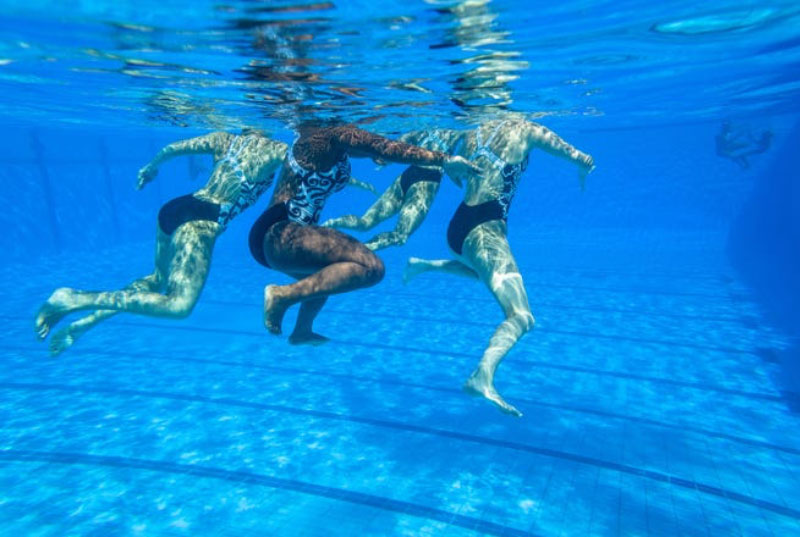
If you feel genuine fear when you get near or in water, you're not alone — and you're not broken. Water fear is one of the most common barriers for adult beginners, and it's completely addressable with the right approach. This guide is specifically for you.
What You'll Need
- A qualified instructor or lifeguard present at all times
- A pool with a shallow end where you can stand
- Patience — this process cannot be rushed
- A journal or notes app to track your progress
Step-by-Step Guide
Identify your specific fear
Water fear is a category, not a single fear. Write down exactly what you're afraid of. Is it losing control? Not being able to touch the bottom? Something from your past? Being specific about the fear is the first step toward addressing it.
Tip: Rate your fear on a scale of 1–10 at each step. This gives you concrete evidence of progress, which is motivating when progress feels slow.
Start completely outside the water
Sit on the pool deck with your feet in the water. Just your feet. Stay there until it feels completely neutral — no anxiety, no discomfort. This might take 5 minutes or 30 minutes. Don't rush it.
Tip: While your feet are in the water, practice slow breathing: 4 counts in, 6 counts out. This activates your parasympathetic nervous system and trains your body to associate the pool with calm.
Stand in the shallow end
Enter the water using the steps. Stand in waist-deep water. Stay there. Let your hands touch the water. Splash your face. Stay until this feels completely comfortable.
Tip: Don't move to the next step until the current step feels genuinely easy — not just tolerable. 'Easy' is the target, not 'survivable.'
Practice face splashing
Cup water in your hands and splash your face. Then submerge your chin. Then your mouth. Then your nose. Each step should feel manageable before you move to the next.
Tip: Breathe out through your nose when your face is in the water. This prevents water from going up your nose — the sensation most people find most unpleasant.
Full face submersion
Take a breath, close your eyes, and put your whole face in the water for 2 seconds. Come up. Repeat. Build to 5 seconds, then 10 seconds. Exhale through your nose the whole time.
Tip: If this step feels too big, practice it in a sink or bathtub first. The controlled environment can make the first attempt less intimidating.
Practice the wall float
With your back to the wall and hands gripping the edge, let your feet come up off the bottom. Feel the water supporting you. This is the first experience of the water holding you — and it's often a turning point.
Tip: Ask your instructor to place a hand under your back for support. Knowing someone is there dramatically reduces anxiety and allows you to focus on the sensation of floating.
Manage panic when it happens
You will likely experience moments of panic during this process. When it happens: move to the wall immediately, exhale long and slow, and wait. A panic response peaks within 90 seconds and then subsides. Staying in the water through that 90 seconds trains your brain that the water is survivable.
Tip: Have a signal with your instructor — a raised hand means 'I need to stop.' Knowing you have an exit reduces the fear of being trapped, which reduces panic.
Common Mistakes (and How to Fix Them)
Trying to push through fear by force
Forcing yourself into panic doesn't build confidence — it builds trauma. Gradual, voluntary exposure is the only approach that works long-term.
Skipping steps because they seem too easy
The 'easy' steps are building your foundation. Don't skip them. Each step is training your nervous system, not just your body.
Practicing alone
Always have a qualified instructor or lifeguard present when working on fear-based skills. Safety is non-negotiable.
Comparing your timeline to others
Fear timelines are completely individual. Someone else's progress is irrelevant to yours. Focus on your own progression.
Your Practice Schedule
Practice 2–3 times per week, 20–30 minutes per session. More frequent, shorter sessions are more effective than infrequent long ones for fear-based work. Track your fear rating at each step — you'll be surprised how quickly it drops.
Next Guide
How to Float on Your Back